產品責任與客戶服務

Product Responsibility and Customer Service
● Strategy:Leverage the recyclability of paper products by integrating green design and green production at all life cycle stages to reduce environmental impact, and ensure customer privacy and product responsibility.
● Goals of 2030:
◆ Leverage digital intelligence to optimize customer service
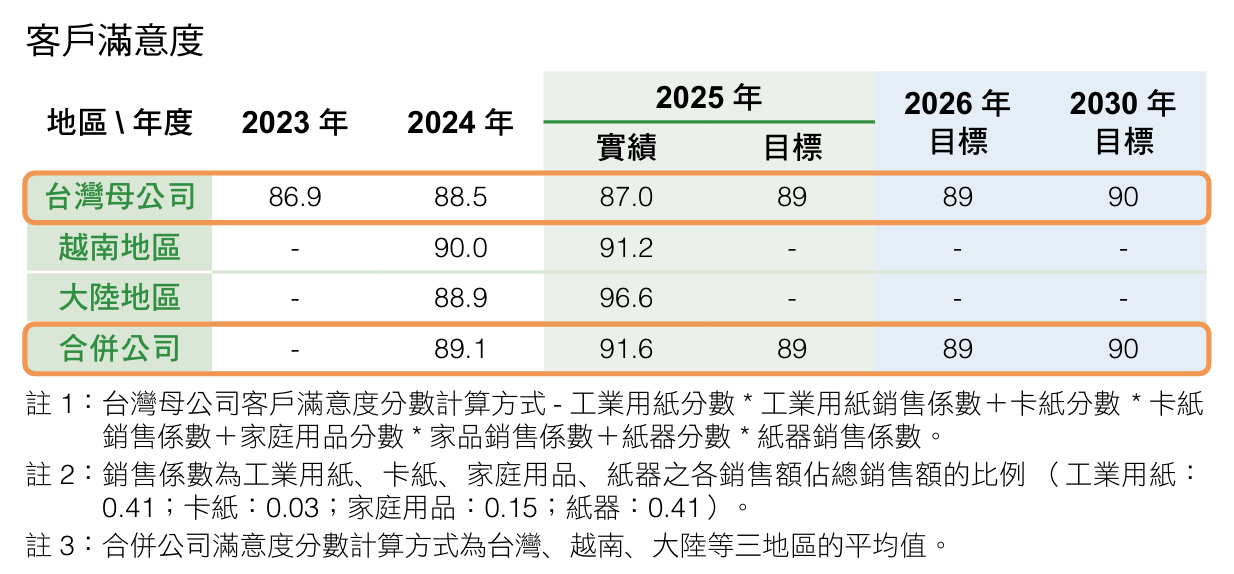
◆ Customer satisfaction score: 90 (Taiwan Parent Company, Consolidated Company)
◆ Maintain strong customer partnerships for mutual growth
◆ All products comply with international environmental standards
◆ Expand hazardous substance risk management to overseas operations
◆ Phase out traditional film entirely
◆ Continuously promote the recycling and reuse of raw material waste from suppliers
◆ Implement digital platemaking to reduce process waste and enhance the recycling and reuse of packaging waste
Quality Policy: Total Participation, Quality Management, Customer Satisfaction
Quality is essential to sustainable operations. CLC has implemented the ISO 9001 quality management system at all domestic and overseas sites, utilizing the PDCA cycle to continuously elevate quality and customer satisfaction. In 2025, the Quality Control Department held 9 specialized courses covering hazardous substance management, digitalized QC, production technologies, and environmental regulation enhancing professional competencies. At the annual Sustainable Ecosystem Summit, CLC also communicated policies on hazardous substances and raw material quality management.
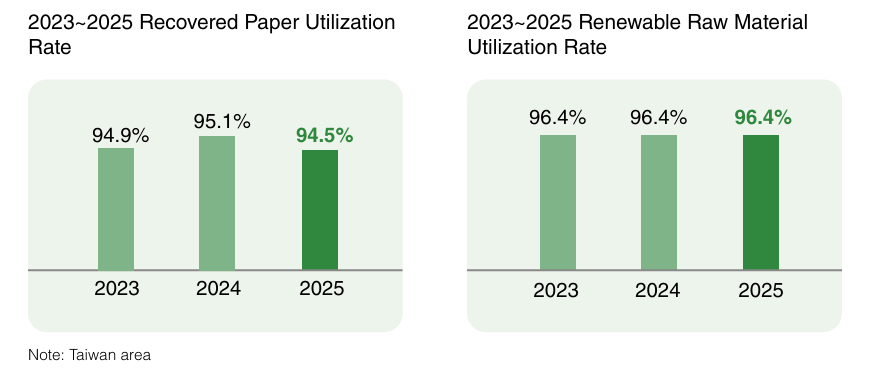
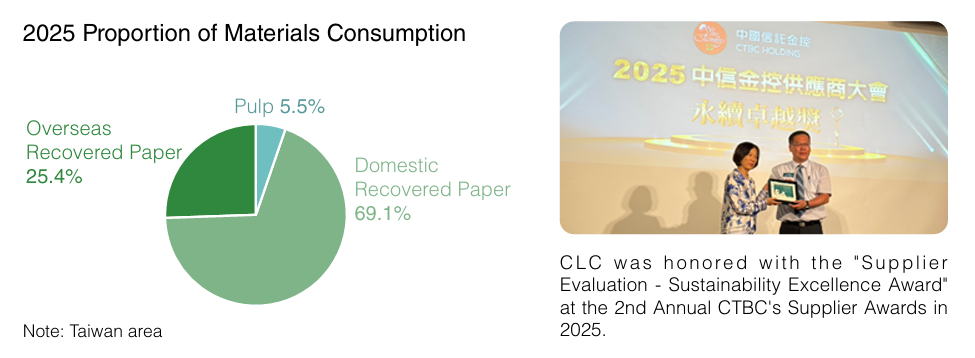
To navigate market challenges, CLC accelerates product R&D and production upgrades, partnering with supply chain peers to recycle used products into circular manufacturing. CLC operates 4 paper mills and 7 box plants in Taiwan. Paper mills primarily utilize recovered paper and virgin wood pulp, while box plants convert mill paper into corrugated container products.
Aligning with global sustainability trends, CLC relies on recovered paper to lower carbon emissions and preserve forests, while actively procuring sustainably managed wood pulp. In 2025, the FSCTM Pulp Ratio reached 95.3% of total virgin pulp procurement in the Taiwan, achieving other significant results:
*Note: Taiwan area
Product Health and Safety
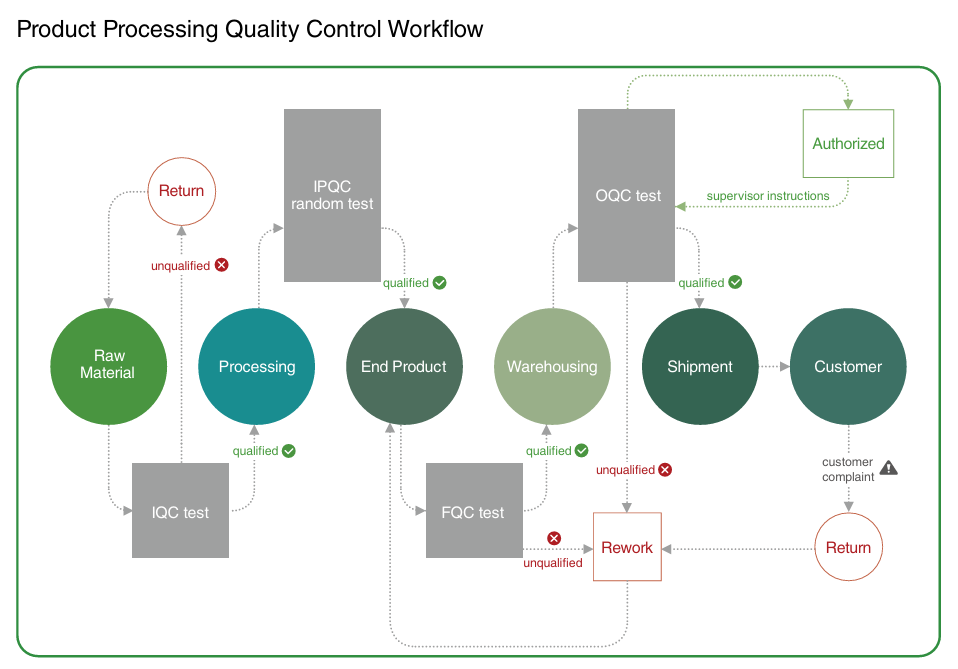
CLC focuses on industrial paper and enforces strict product safety controls. Comprehensive management standards cover raw material procurement, production, and shipment. Dedicated IQC personnel conduct quantitative sampling and adjust frequency based on pass rates. The process is transitioning to supplier management, requiring hazardous substance test reports to replace incoming inspections. If nonconformities are detected, batch-by-batch sampling is implemented to ensure material safety. During production and shipment, production and shipping staff manage quality autonomously, while quality control personnel inspect finished products and warehouse entries and exits at set intervals. Dual control by on-site and quality control staff ensures product compliance and quality.

Industrial Paper Inspection Specifications
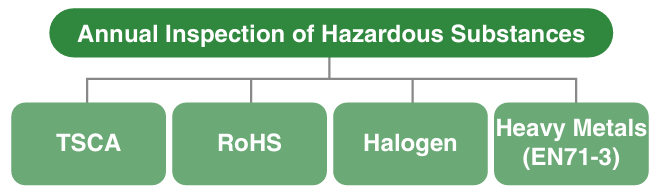
CLC's industrial paper undergoes annual third-party hazardous substance testing aligned with global standards, including EU RoHS, halogen limits, and EU EN71-3 heavy metal restrictions. In 2025, all products met regulatory requirements, and Tayuan Box Plant maintained its FSSC 22000 food safety certification, providing higher quality and safe Paper Packaging Solutions.
To address EU REACH (SVHC) expansion to 251 substances (+9 YoY), CLC annually updates its “Declaration of Non-use” and “Hazardous Substance Mitigation and Management Measures” to integrate global regulations. Since 2021, the company has implemented the Full Material Declaration (FMD) source management system for source transparency—replacing finished product testing to boost efficiency. Suppliers must submit regular hazardous substance reports; in 2025, 28 suppliers submitted reports, achieving 100% compliance.

*Note: For certificates, please refer to the CLC website – Download Center 。
Household Paper Inspection Specifications
Chupei Mill obtained ISO 22000/HACCP food safety management system certification. All products were tested by accredited institutions for total bacterial count, Escherichia coli count, and migration of fluorescent agents as required by customers, with results meeting standards. Eco-friendly toilet tissue and hand towels produced by Chupei Mill underwent annual bisphenol A (BPA) testing, with zero detected in 2025.
Packaging Design and Certification
To ensure transport safety, packaging structure design incorporates compression resistance and drop tests. All package structure design files are reviewed by SGS to ensure compliance with the Commodity Labeling Act. The FSC™ certification mark is labeled on packaging according to specified position and size requirements for product traceability.
Printing and Plate Making: Waste Reduction and Energy Saving
In recent years, printing plate production across box plants has prioritized eco-friendly waste reduction. Prepress centers fully digitized draft designs to lower paper and ink usage, while streamlining registration marks and plate spacing to cut material loss, energy, and labor costs.
Beginning in 2024, select plants added inkjet film printers to reduce reliance on traditional chemical-developed film. The utilization rate of Inkjet film reached 19.5% in 2025, surpassing the 15% annual target, toward a full phaseout by 2030. To optimize water-based ink applications, CLC also held "Water-based Ink Printing Suitability Courses” with expert suppliers to elevate printing quality.
Driving Plastic Containers Reduction across the Supply Chain toward Zero Waste
CLC's Corrugated Container Division integrated resources through its Technology Center to address the environmental burden of single-use 200 kg plastic barrels from water-based ink resin suppliers. Previously, these plastic barrels frequently became waste after processing due to cleaning difficulties, imposing an added burden on the environment.
Following usage audits and active supplier engagements focused on transport durability and circularity, CLC successfully facilitated a transition to steel barrels. Steel barrels offer superior strength and reusability, eliminating plastic waste and reducing hidden value-chain environmental costs. Meanwhile, CLC continues to promote the recycling of supplier raw material waste to boost overall supply chain sustainability.

Product and Service Labeling
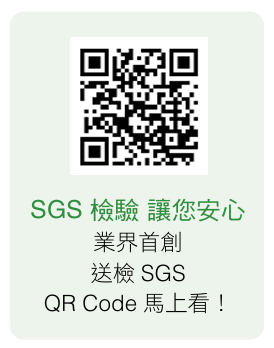
All household products manufactured and sold by CLC obtained the CNS Mark and passed annual certification by the Bureau of Standards, Metrology and Inspection, meeting CNS requirements for product quality and labeling. Some products provided QR codes for consumers to access SGS test reports. In 2025, no cases of non-compliance with product specifications or labeling occurred.
Paper Studio's children's board games, including Amusement Park Paper Pinball, and Animal Adventure Memory Match Game, and Paper Studio DIY were certified by the Bureau of Standards, Metrology and Inspection and met toy safety standards.
Customer Privacy Protection
CLC established mechanisms to protect and manage customer data, including enhanced employee training on "customer data" and "information security", and required confidentiality in business operations. In 2025, there were no complaints regarding customer privacy infringement or data loss.
Customer Relationship
Prioritizing product quality and sustainability, all domestic and overseas mills/plants maintain ISO 9001 quality management system and FSCTMsustainable forestry certifications. Additionally, all products comply with CNS national standards and SGS testing, while ISO 27001 information security management is implemented to safeguard client interests.
To optimize service quality, CLC manages feedback via its “Customer Rights Policy and Grievance Procedures,” and conducts annual customer satisfaction surveys. Customers can communicate through multi-channel avenues, including the official website, AeSHOP, the Whistleblowing Mailbox, and the 0800 toll-free hotline. Furthermore, the Household Products Division has established a nationwide customer service network for real-time responsiveness. In 2025, CLC’s Household Products Division was honored with the “Best House Label Business Partner Award” by Watsons.


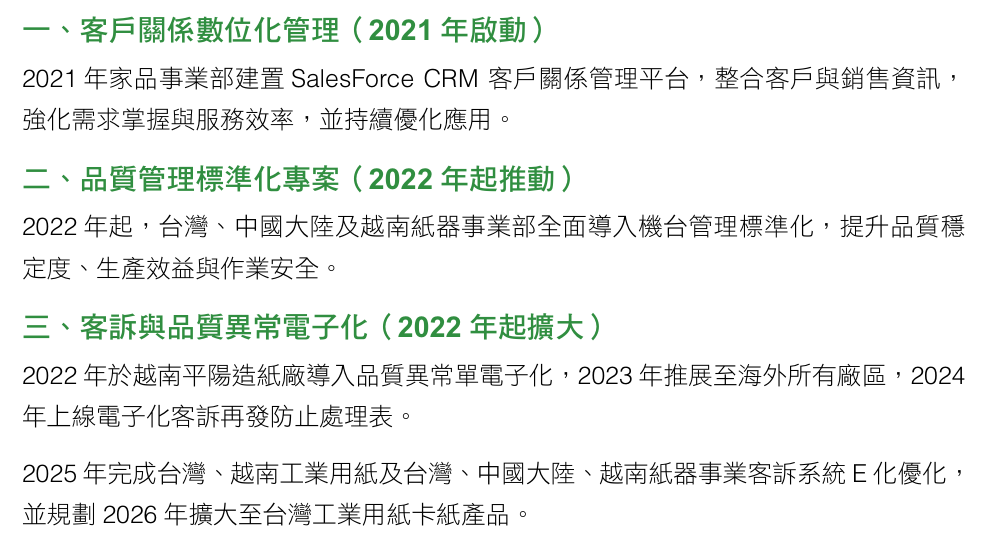
To effectively manage customer complaints and product returns, CLC has established a robust management mechanism and standardized procedures. The Quality Control (QC) department evaluates anomalies and manages client communications, while the production and relevant accountable units analyze root causes and implement preventive measures to prevent recurrence. In recent years, CLC has fully digitized its customer complaint management process to boost handling efficiency. Key milestones of the digitized customer service system include:
 「客戶服務」聯絡窗口: https://www.clc.com.tw/contact?i=98
Customer Satisfaction Management: Expanding Taiwan's Model Overseas
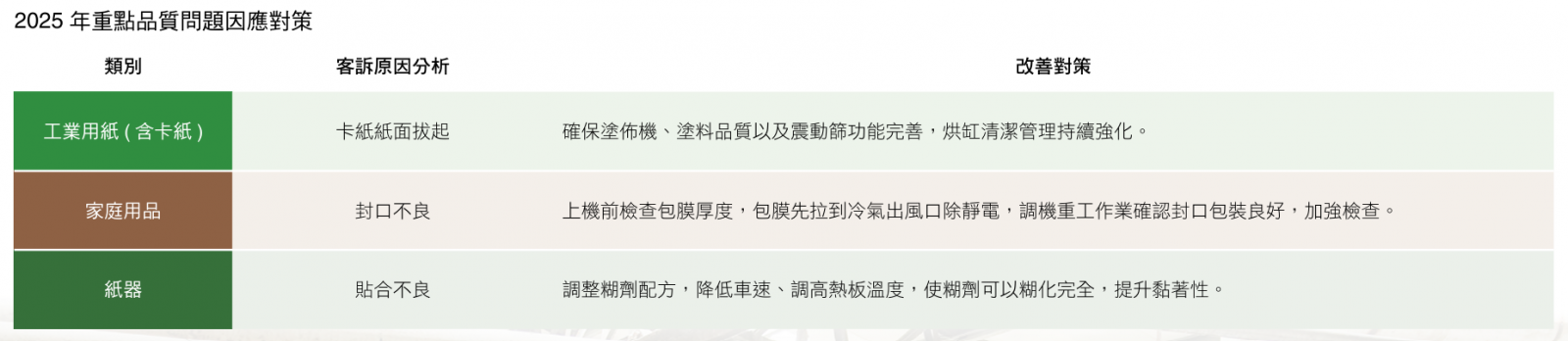
While our Taiwan Parent Company fell short of its 2025 customer satisfaction goal— mainly due to a dip in industrial paper satisfaction and higher corrugated container complaints—our plants have launched comprehensive corrective actions. Key measures include minimizing surface defects, tightening self-QC in rewinding, and optimizing adhesive formulas for better bonding, guaranteeing that products with cosmetic anomalies are never warehoused as acceptable stock. CLC will continue to enhance customer service, improve production performance, and advance digitalization management to achieve these customer satisfaction goals.

Customer Complaint Management and Digital Optimization
CLC's Taiwan Parent Company set product-specific complaint targets for 2025: industrial paper < 0.33 cases/ 10,000 tonnes, household products < 0.58 cases/ 10,000 tonnes, and corrugated container < 0.61 cases/ million m2 . Actual rates were 0.38 cases/ 10,000 tonnes for industrial paper, 0.66 cases/ 10,000 tonnes for household products, and 6.06 cases/ million m2 for corrugated containers. Total complaints reached 780 (+258 YoY), driven mainly by paperboard delamination, defective sealing on household paper, and adhesion issues in corrugated containers.
In Vietnam, industrial paper complaints per unit were 0.19 cases/ 10,000 tonnes, mainly due to base paper creasing; corrugated container complaints per unit were 11.15 cases/ million m2, mainly due to adhesion issues. In Mainland China, corrugated container complaints per unit were 20.03 cases/ million m2, also mainly due to adhesion issues.
To address unmet targets, CLC’s Quality Improvement Team executed targeted corrective actions.In 2025, we optimized the Customer Complaint Systems at the Paper Mill (Taiwan and Vietnam) and box plants (Mainland China).Going forward, we are driving a transition to “Digital Quality Management Process 4.0”, integrating ERP for real-time quality traceability and automated COA generation.By leveraging big data to correlate production parameters with physical properties, we’ll optimize manufacturing conditions and shift our quality paradigm from “reactive inspection” to “predictive prevention”, securing to reach our 2026 targets.
The company's products were not prohibited from sale in any market, and there were no incidents involving the sale of questionable or controversial products. All marketing activities complied with national laws and regulations to protect consumer rights and ensure fair competition. The company did not use exaggerated, false, or unfair marketing practices. In 2025, there were no violations of relevant regulations or voluntary standards in product promotion and marketing.